How Montessori Childcare Supports All Stages of Early Development
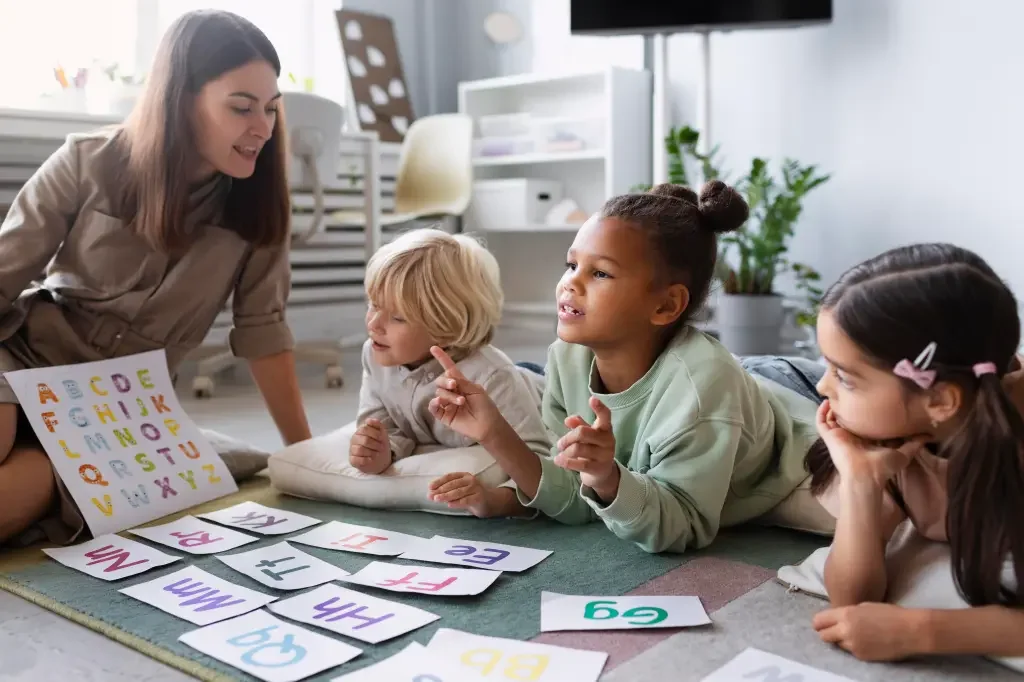
Families often look for a childcare approach that supports curiosity, independence, and emotional confidence. A Montessori toddler program builds these skills through movement, exploration, and meaningful interactions with caregivers. This method blends structure with child-led discovery, which helps toddlers move confidently through developmental stages.
Understanding How Toddlers Learn in Montessori Settings
Montessori childcare environments offer predictable routines that give children stability while encouraging freedom of movement. Toddlers explore materials designed for practical tasks, coordination, early language, and social growth. Warm back-and-forth interactions form the foundation of healthy brain development. Montessori educators support this through conversation, gentle redirection, and consistent relationship-building.
Why Purposeful Environments Matter
Children thrive when their surroundings are organized, calm, and built for success. Montessori spaces include real-life tools and child-height shelves that encourage independence. These settings also prevent overstimulation and help toddlers stay focused. This balance supports emotional regulation during key learning moments. Since the goal is to instill a love for learning, an inviting environment makes it possible for children to pursue activities in a structured way.
Practical Ways Montessori Supports Each Stage of Early Development
Parents often want clear examples of what early developmental support looks like. Below are a few skills that toddlers strengthen in Montessori childcare:
Coordination through real-life tasks like pouring and sorting
Language development through naming activities and daily conversation
Social growth through shared work and respectful communication
Independence through simple routines like handwashing and cleanup
How Montessori Connects Learning to Daily Life
Montessori teachers introduce simple, predictable processes that help toddlers participate in daily tasks. Children learn to put on shoes, tidy small work areas, and prepare snack items with support. These activities feel meaningful because they reflect habits used at home. Families across the Bay Area appreciate how these routines create smoother transitions between school and home. This integration strengthens confidence as children develop early autonomy skills.
Quick Answers to Common Questions
Q: How does Montessori guide social development for toddlers?
A: Educators model respectful communication and encourage cooperation in shared spaces. Toddlers learn how to wait, take turns, and observe peers in calm settings supported by teachers.
Q: Is a Montessori toddler program suitable for energetic children?
A: Yes. The classroom design offers space for movement and hands-on tasks. These choices help active children channel energy into exploration rather than distraction.
Q: Do toddlers need prior experience before entering Montessori childcare?
A: No. Montessori environments are prepared for beginners. Teachers adapt activities based on what each child is ready to learn.
Key Takeaways
Montessori childcare supports healthy growth by thoughtfully combining structure, exploration, and warm adult guidance. Through a carefully prepared environment, toddlers are encouraged to learn at their own pace while feeling safe, supported, and capable. This balanced approach nurtures confidence and helps children progress naturally through each stage of early development.
In a Montessori setting, toddlers benefit from:
Purposeful, hands-on materials that support real-world learning
Calm, predictable routines that create security and focus
Opportunities to practice independence and decision-making
Respectful adult guidance that encourages curiosity and self-confidence
10 Skills Children Develop in a Montessori Toddler Program
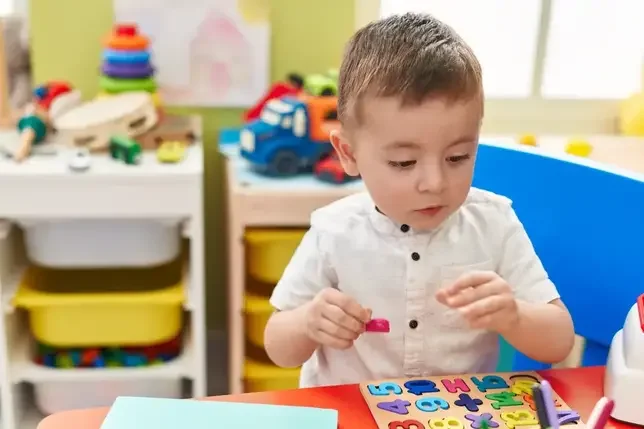
A Montessori toddler program gives young children a foundation for confident exploration, communication, and emotional growth. Families often choose Montessori because it blends structure with child-led discovery. These environments encourage purposeful movement, calm routines, and meaningful interactions with caregivers.
1. Coordination and Motor Skill Strength
Toddlers develop balance, hand control, and body awareness through practical life tasks. Activities like spooning, transferring, and sweeping help refine fine and gross motor abilities. These experiences also support early handwriting readiness.
2. Language Development Through Daily Conversation
Montessori educators provide clear, rich language modeled during routines. Serve-and-return interactions support vocabulary growth and comprehension. Research from Harvard’s Center on the Developing Child highlights how these exchanges strengthen early brain development.
3. Independence in Everyday Tasks
Children practice dressing, handwashing, and cleaning simple work areas. These routines build confidence, reduce frustration, and help toddlers participate more fully at home.
4. Emotional Awareness and Self-Regulation
Calm environments help toddlers identify feelings and respond more thoughtfully. Teachers guide children toward gentle problem-solving strategies, fostering early self-regulation skills.
5. Focus and Concentration Through Purposeful Work
Montessori materials are designed for hands-on engagement. Toddlers repeat tasks naturally, which strengthens attention span and cognitive persistence. These skills support later academic learning.
6. Social Development in Mixed-Age Settings
Toddlers practice patience, cooperation, and observation. They watch peers complete tasks and learn from shared moments. Positive relationships form through predictable routines and teacher modeling.
7. Practical Life Skills That Build Real Confidence
Pouring, sorting, and table wiping strengthen coordination and introduce responsibility. These tasks empower toddlers to contribute meaningfully. Learning practical skills helps children build confidence in their ability to accomplish tasks with little or no assistance.
8. Sensory Exploration for Cognitive Growth
Montessori materials encourage sorting by texture, size, and color. Sensory tasks help toddlers categorize information and make sense of the world around them.
9. Early Problem-Solving and Decision Making
Child-sized tools and open-ended materials encourage children to make choices and solve small challenges. These experiences build persistence and flexible thinking.
10. Healthy Alignment With Developmental Milestones
Skills developed in Montessori settings closely match recognized toddler milestones. The CDC outlines milestones related to movement, communication, and emotional development, most of which are addressed by authentic Montessori schools.
Key Takeaways
Before reviewing the core points, it helps to see how these ideas come together in daily classroom life. The following takeaways highlight the practical strengths of Montessori childcare and show how toddlers build important developmental skills through consistent routines, hands-on exploration, and warm guidance. These themes reflect what families often notice during visits and what children experience throughout the learning day. Children in Montessori programs benefit from:
Purposeful hands-on activities
Calm, organized environments
Warm teacher interaction
Opportunities to practice independence
Montessori is a whole-child development program. By interacting with carefully selected activities, children develop skills that will benefit them throughout their lives. Similarly, the toddler program helps them learn social and emotional skills that lead to improved interactions with others.